

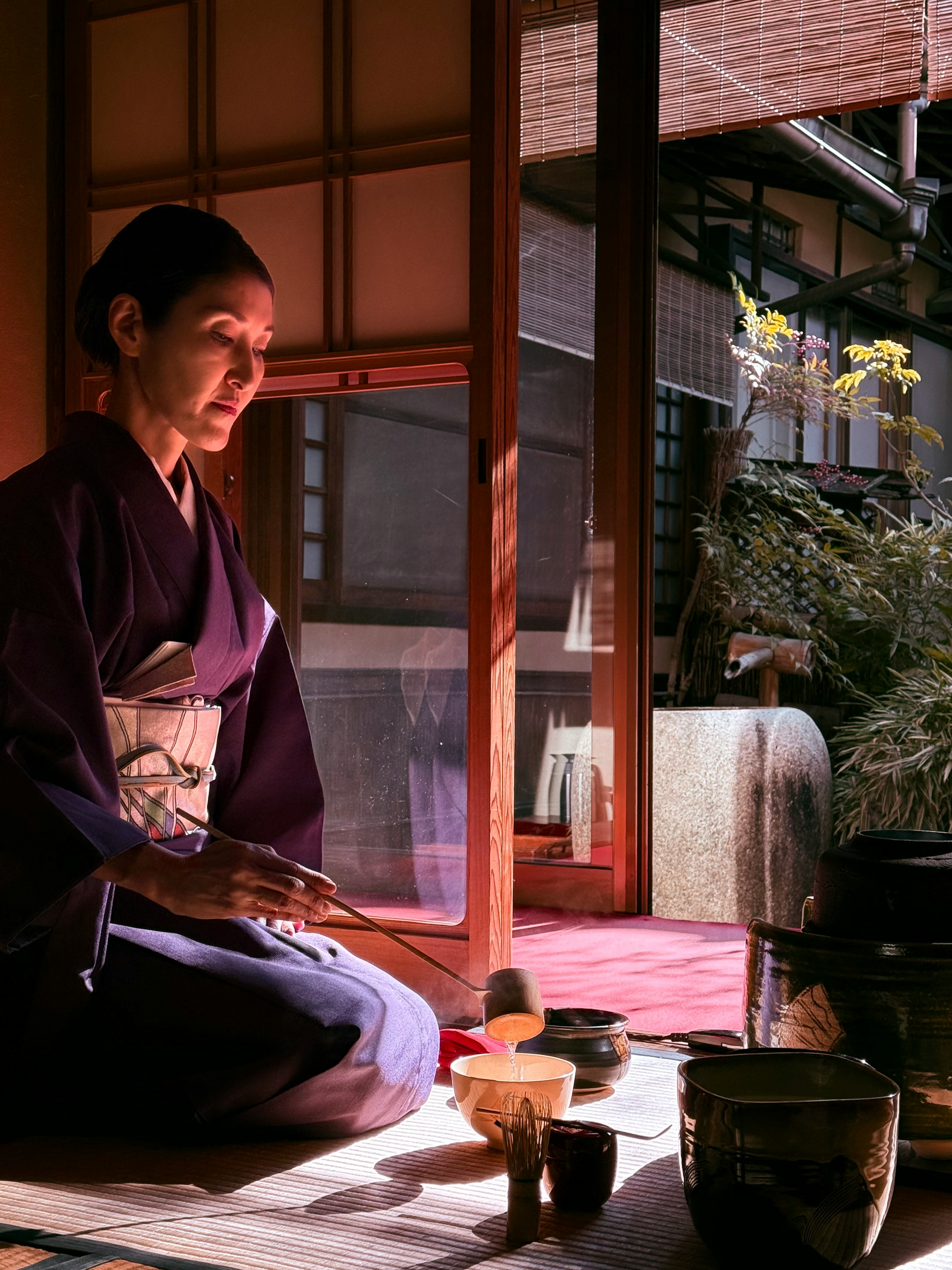
As part of the Celebration of the 70th Anniversary of the Establishment of Nepal–Japan Diplomatic Relations (1956–2026), visitors are invited to experience a live Japanese Tea Ceremony (Sadō / Chadō / Chanoyu)—one of Japan's most treasured cultural traditions.
More than the preparation and serving of tea, the Japanese Tea Ceremony is a refined cultural art that embodies the principles of harmony (Wa), respect (Kei), purity (Sei), and tranquility (Jaku). It offers a unique opportunity to experience the spirit of Japanese hospitality, mindfulness, and aesthetic appreciation that has been cultivated for centuries.
What is the Japanese Tea Ceremony?
The Japanese Tea Ceremony (茶道, Sadō or Chadō, literally "The Way of Tea"), also known as Chanoyu, is the ceremonial preparation and serving of matcha, a finely powdered green tea.
Originating from Zen Buddhist traditions and refined over hundreds of years, the ceremony is much more than drinking tea. Every movement, gesture, utensil, and interaction between the host and guests follows a carefully practiced tradition designed to create a peaceful atmosphere of mutual respect and appreciation.
Traditionally conducted in a tea room with tatami flooring, the ceremony invites participants to slow down, appreciate simplicity, and enjoy a moment of harmony away from the pace of everyday life.
Historical Background
Tea was introduced to Japan from China during the 8th century and was initially consumed as a medicinal beverage by Buddhist monks and the aristocracy. During the Muromachi Period (1333–1573), tea drinking became popular among wider society and gradually evolved into a sophisticated cultural practice.
The modern Japanese Tea Ceremony owes much of its philosophy and form to Sen no Rikyū (1522–1591), who emphasized simplicity, humility, and spiritual reflection. His teachings continue to influence the major schools of tea ceremony practiced throughout Japan today.
Why Are We Demonstrating It?
The Japanese Tea Ceremony demonstration is organized to commemorate 70 years of diplomatic relations between Nepal and Japan by sharing one of Japan's most iconic cultural traditions with the people of Nepal.
The ceremony reflects values that have long characterized the friendship between our two nations—respect, harmony, hospitality, discipline, and mutual understanding. Through this demonstration, visitors will have the opportunity to appreciate not only the beauty of the ceremony itself but also the philosophy and cultural heritage it represents.
Visitors will have the opportunity to:
- Learn about the history and philosophy of the Japanese Tea Ceremony.
- Observe the authentic preparation and serving of matcha.
- Understand the symbolism behind the utensils, movements, and etiquette.
- Experience one of Japan's most celebrated traditional arts.
- Celebrate the cultural friendship between Nepal and Japan.
What to Expect
During the demonstration, experienced practitioners will perform the ceremonial preparation and serving of matcha using traditional tea utensils and authentic techniques. Visitors will observe the graceful sequence of movements, learn about the significance of each step, and gain insight into the customs and etiquette that have been preserved for centuries.
Depending on the demonstration format, selected visitors may also have the opportunity to experience the ceremony firsthand.
Demonstration Schedule
Venue: Hotel Himalaya, Lalitpur
Date: 30–31 July 2026
Demonstration Time: To be confirmed
The demonstration schedule will be announced soon. Please visit this page regularly for updates.
Experience a Living Japanese Tradition
Whether you are discovering Japanese culture for the first time or have a long-standing interest in Japan, the Tea Ceremony offers a memorable opportunity to experience one of the country's finest cultural traditions. We warmly invite you to join us in celebrating the enduring friendship between Nepal and Japan through this unique cultural experience.